

Yoana Almog Weymann Sade
Download PDF
Jan 26 2026
reisezielinfo/depositphotosTheimpactof climate change in our current times is noticeable at both global and national levels. It creates conflicts and dilemmas for states, governments, and other key organisations. The growing complexity of climate governance calls for change and for adjusting existing policies and legislation to adapt to the new situation. National governments andinternationalinstitutions need to work together to handle the problem at stake, namely climate change, and to provide solutions to mitigate its effects. With this, there is a need to integrate nature and environmental considerations more closely into daily life and political decision-making, in order to find a form of harmony between human activity and environmental protection. This requires change not only in individual behaviour, but also in political and institutional frameworks. Climate change mitigation requires actions and responses that arecriticalandtime-pressured. In this context, reliance on voluntary approaches alone is insufficient. For this reason, clear and coherent guidance is needed from the state level. In order to achieve immediate and effective results in mitigating climate change and protecting the environment and nature, legislation and regulatory order are required through the establishment and adjustment of current and future laws and regulations.
Over the years, theEUhas established and enforced a range oflaws and regulationsaimed at reducing greenhouse gas emissions, air pollutants, and other environmentally harmful outputs. At the same time,debates persist regarding the scope, coherence, and practical implementation of these laws, as well as concerns over regulatory complexity and potential misalignment with existing legal frameworks. In addition to binding legislation, the EU also relies onstrategies, recommendations, and opinions to encourage and motivate the Member States to follow and adhere to the broader vision and objectives of the EU. However, as these instruments are not legally binding, they leave room for voluntary action and individual interpretation, depending largely on political will. In the case of climate change mitigation efforts and targets, voluntary actions and initiatives are well-intentioned and positive, yet their broader impact remains insufficient to meet the scale and urgency of the challenge.
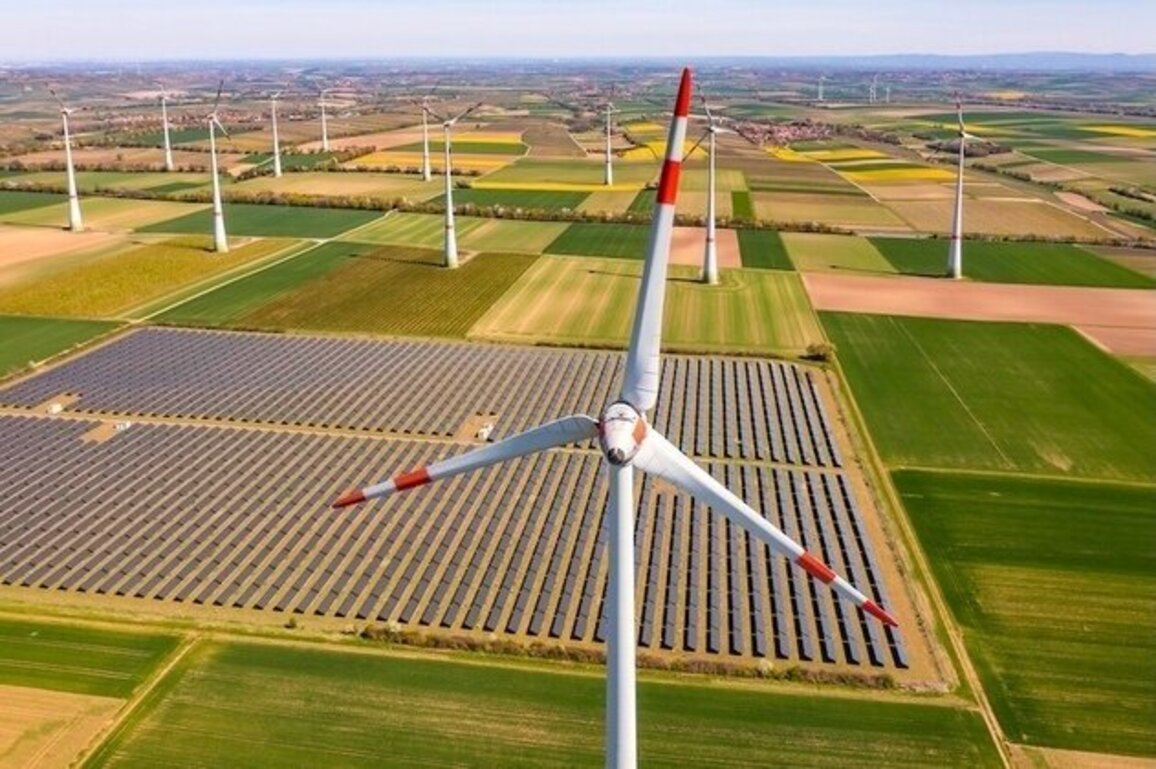
One such example of an EU strategy that has driven Member States to develop legislative responses in climate and energy policy is the recentREPowerEU Plan, including theEU Solar Energy Strategyadopted in 2022. This strategy was shaped both by the escalation of climate change and by the objective of reducing dependence on Russian energy supplies followingRussias invasion of Ukraine. While the strategy outlines future applications, it is not legally binding and initially functioned primarily as a framework for motivation and guidance, encouraging Member States to expand renewable energy use, particularly solar energy. In 2025, following a Eurostatreport54% of net electricity generated in the EU came from renewable energy sources, an increase from 52.7% in the same quarter in 2024. This growth was largely driven by solar energy. The States with the highest share of renewable energy in net electricity generation were: Norway (non-EU state, part of the European Economic Area (EEA)), Denmark, Latvia, Austria, Croatia, and Portugal, with Germany ranking eighth on the list. Nevertheless, when focusing specifically on solar energy,Germanyremains one of the leading solar markets within the EU. These figures suggest that progress is being made but also underline differences in national and regional approaches to implementation.
One of the few Member States that took the initiative to integrate elements of the EU strategy into its legislative system isGermany.Germanyis a federal state (Federal Republic of Germany) consisting of sixteen regions (Lnder), where each region holds its own legislative authority and institutional responsibilities. At the same time, governance operates across three interconnected pillars: regional, national, and international. All regions (Lnder) function under the umbrella of the German constitution and are subject to EU standards and legislation. Thesolarenergy industry in Germany has undergone significant changes over time. Until approximately 2012, the sector was relatively strong and stable. Following political and policy changes, this situation shifted considerably, with production no longer being domestic but instead becoming largely dependent onChina. This outcome affected the private sector in the solar energy field and altered the economic structure in Germany, forcing many organisations to close their businesses and adjust to the new situation.
The case ofGermanyillustrates and supports the argument that legislation and laws play a central role in driving development and policy progress. As part of the country plan andstrategyof climate change mitigation and global warming, Germany established and implementedlegislationin order in their national and regional level legislative system under climate, energy, and environment policy. Germany has prioritised promoting and advancing the use of renewable energy sources, with particular focus on solar and wind energy. Since 2022, several regions have introducedsolar mandatesfor solar energy use and installations on rooftops, parking spaces, solar parks, and balconies, including regions such as Bavaria, Baden-Wrttemberg, Berlin, and Hamburg. In addition to regional initiatives, Germany has also adopted national-level regulations that address solar energy development through legislative instruments such as theEEG,EnWGandSolar Package I.
These legal frameworks open the space for investments, projects, initiatives, and employment, as well as increasing the feasibility and accessibility of solar energy use for private citizens. While voluntary approaches may contribute to progress and raise awareness, they remain insufficient in scale and speed to address time-pressured global challenges such as climate change. In times of crisis, binding legislation remains a necessary tool to ensure coordinated, timely, and effective action.
Further Reading on E-International Relations
- Opinion One Year In, Germanys Traffic Light Coalition Already Looks Overwhelmed
- Germany and the New Global Order: The Countrys Power Resources Reassessed
- Opinion Germany, Europe and Potential Outcomes of the Ukraine War
- Opinion Responsible Business Conduct in Times of War
- Opinion The US and Nord Stream 2 Geopolitics
- Opinion How Could COP30 Put Climate Back at the Top of the Global Agenda?
About The Author(s)
Yoana Almog Weymann Sadeis a PhD student in her final year in Politics, International Relations, and Environment at the University of York in the UK. She holds an academic and professional background in Business, Accounting, and Law, and has, over the years, gained work experience in both government institutions and the private sector.
Editorial Credit(s)Georgia Bandey
TagsClimate Change MitigationEuropean UnionGermanyRenewable Energy Policy