

DUBLIN, Ireland: The Forensic Science Ireland (FSI) has sounded a warning over "the rising threat" of synthetic opioid drugs in the country.
The State agency had identified 10 new drug substances or unusual presentations of drugs last year.
Acting Director General, Dr. Geraldine O'Donnell, pointed out in the agency's 2024 report that Section 15A drug dealing cases - which concern significant drug consignment seizures - have increased sevenfold from 45 in 2020 to 318 in 2024.
FSI identified several Nitazene (synthetic opioids) variants in minor seizures of tablets and powders between 2022 and 2023.
"However, 2024 marked a significant shift, with two of the largest Nitazene seizures recorded not only in Ireland but across Europe," Dr. O'Donnell added.
The report identified 10 new illicit drugs, including Protonitazene, a synthetic opioid that "is significantly more potent than heroin."
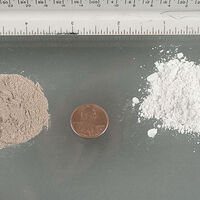
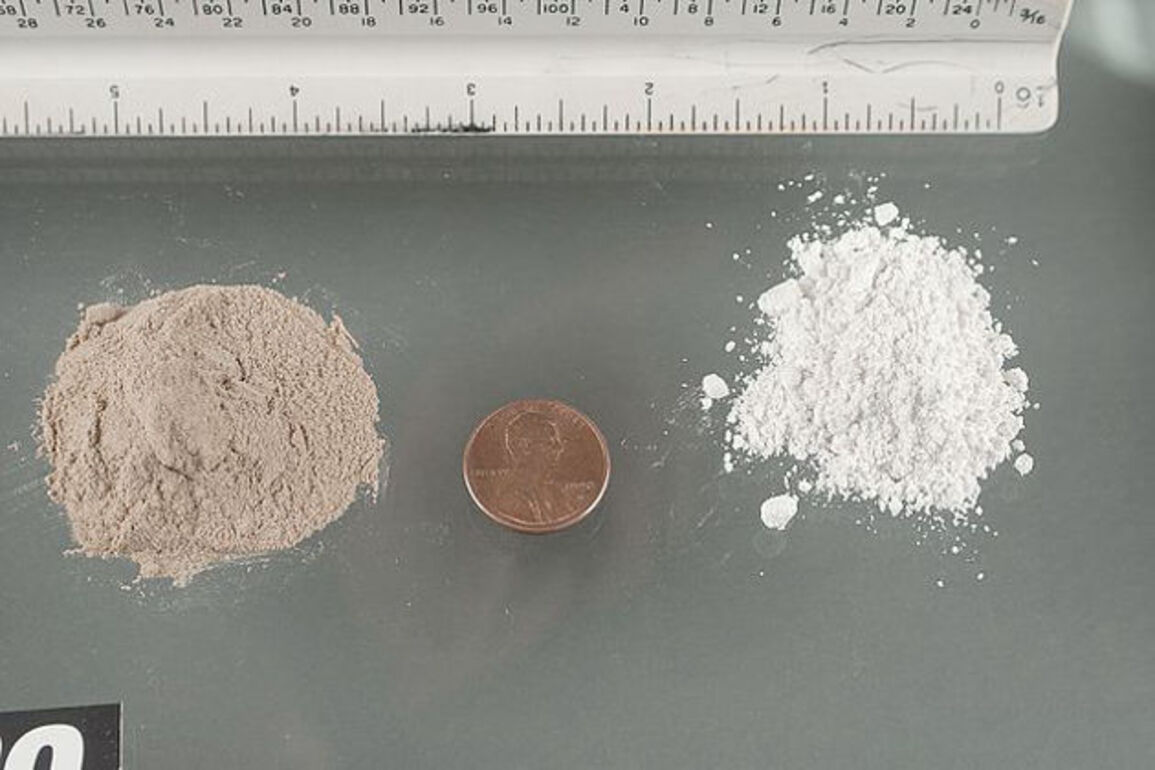
The report stated that in early 2024, FSI received an urgent out-of-hours request from An Garda Síochána to analyse several packages of brown powder that were identified as 1.9kg of protonitazene, mixed with caffeine and paracetamol.
The report stated that this dangerous substance was intended for distribution in the heroin market. Fortunately, An Garda Síochána intercepted it.
FSI staff also identified, for the first time, an unusual substance called "Tuci," a 125-gram pink powder that contains ketamine, amphetamine, MDMA, and caffeine
The report noted that Nitazenes were created as painkillers in the 1950s but were never marketed because of their high overdose risk.
Cannabis and edibles accounted for 44 percent of all drugs analysed in 2024, while powders made up 38 percent. In total, An Garda Síochána and other State agencies submitted 25,170 cases to FSI last year, including 10,595 drug and toxicology cases.
The report said that submissions to FSI remain consistent with the past two years and are well above 2019 levels.
FSI also examined 41 suspicious death investigations in 2024—a 17 percent rise from 35 in 2023. Of the suspects identified, 32 were men, representing 86 percent. Between 33 and 80 percent of victims were male, while eight victims—20 percent—were female.
Last year, FSI staff offered independent expert testimony in court on 110 occasions.